
With the increased focus on renewable energy, many homeowners are considering solar panels as a way to reduce their energy bills and carbon footprint. Solar energy offers a sustainable source of power, and installing solar panels on a home can be a promising investment in the long run.
The decision of whether to install solar panels professionally or to take on the project as a DIY endeavor is crucial due to the technical, financial, and safety aspects involved.
Choosing a professional solar installer comes with the benefit of expert knowledge and experience. These specialists have the necessary skills to ensure that the solar system is safely and efficiently integrated into a home’s existing electrical framework.
They often provide warranties and can navigate the often complex field of permits and incentives. Moreover, professional installation can be essential for maintaining the roof warranty and ensuring the system meets industry standards.
On the other hand, a DIY solar installation might appeal to those who have a robust understanding of electrical systems and are looking for a more hands-on approach, potentially saving on upfront costs.
However, it requires a significant amount of time and research. Homeowners must be aware that any mistakes made during installation can lead to reduced system performance, potential safety hazards, and can affect the eligibility for certain incentives.
The key for those leaning towards DIY is a thorough assessment of their capabilities and understanding of the solar installation process.
Evaluating Solar Options
When deciding between a professional solar installer and a DIY installation, homeowners must consider the advantages of solar energy and the technicalities of solar power systems to make an informed choice.
Assessing the Benefits of Solar Energy
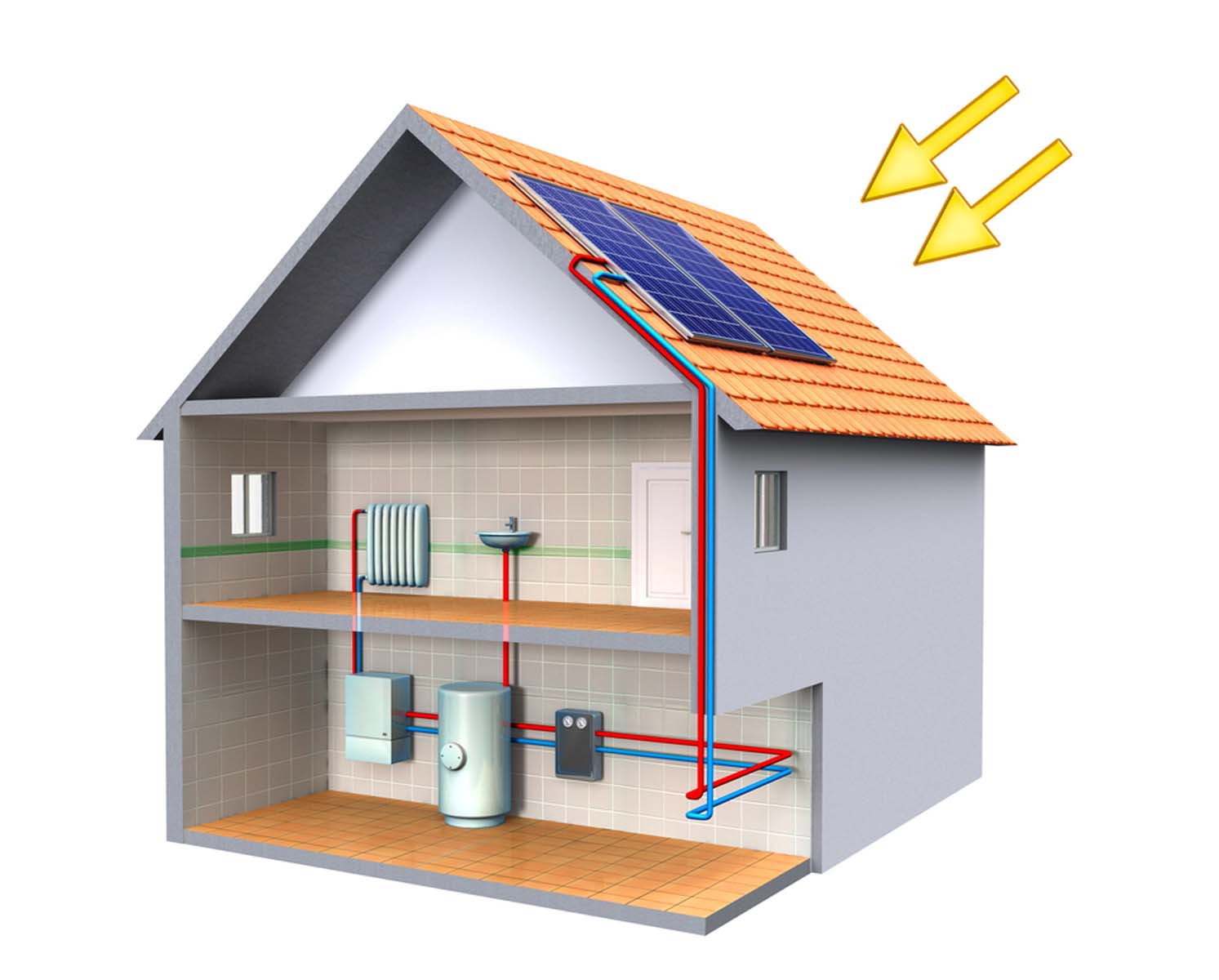
Solar panels serve as a clean, renewable source of energy. By converting sunlight into electricity, they offer a sustainable solution to reduce one’s carbon footprint. The benefits include:
- Reduced Electricity Bills: Solar power can significantly lower monthly energy costs.
- Environmental Impact: Utilizing solar energy reduces reliance on fossil fuels, decreasing greenhouse gas emissions.
- Energy Independence: Solar power systems can lessen dependence on the grid, providing energy security.
Understanding Solar Power Systems
A solar power system includes panels, inverters, and a metering system to harness and utilize solar energy. Important considerations include:
- System Components: Evaluate the quality and warranty of solar panels and inverters.
- Capacity Needs: Calculate the energy requirement to determine the size of the solar power system.
- Installation Requirements: Consider the complexity of installation, which varies depending on the roof type and electrical setup.
The DIY Solar Installation Process
Taking on a DIY solar installation can be a fulfilling project that puts the power in the homeowner’s hands. However, it involves careful selection of the right solar kit, a grasp of necessary permits and paperwork, and a keen understanding of the actual installation process.
Selecting the Right Home Solar Kit
When opting for DIY solar panels, selecting the correct home solar kit is crucial. Homeowners must assess their energy needs and compare them to the output of various photovoltaic panels.
The kit should include high-quality panels, a racking system to mount them, inverters, and wiring. It’s advisable to choose kits with strong customer support for technical guidance.
- Consider Energy Needs: Calculate the household’s energy consumption.
- Kit Components: Ensure the kit contains all necessary components.
- Support: Opt for kits with good customer reviews and technical support.
Navigating Permits and Paperwork
Dealing with permits and paperwork is an unavoidable part of the DIY installation process. Local building codes and regulations must be adhered to, and failure to comply can result in fines or removal of the installed panels.
Homeowners should contact their local building department and utility company for guidance.
- Building Codes: Check with local authorities for specific building codes.
- Utility Company: Inform and coordinate with the local utility company for grid connection.
- Documentation: Prepare necessary applications and documentation for permits.
The Installation Procedure
Installing DIY solar panels is a technical and physical task that requires precision and adherence to safety standards. Homeowners should be comfortable with electrical systems and working at heights. Online tutorials and manufacturers’ manuals are critical resources in this stage.
- Safety First: Use proper safety equipment and secure the work area.
- Racking Installation: Mount the racking system accurately, considering the roof’s angle and integrity.
- Panels and Wiring: Install the photovoltaic panels onto the racking and connect the wiring according to the electrical schematics.
- Learning Experience: It’s a learning process that can enhance a homeowner’s technical skills.
The DIY approach to solar panel installation can be empowering, breaking down the barriers to renewable energy entry. It demands a comprehensive understanding of both the equipment and the process, presenting both a learning experience and a technical challenge.
Professional Solar Installation Advantages
Choosing professional solar installation ensures that homeowners benefit from the expertise, solid warranties, and stress-free dealings with regulatory aspects that come with a professional service.
Expertise of a Professional Solar Installer
Professional installers bring a wealth of knowledge to a solar project. They are up-to-date with the latest solar technologies and installation techniques, ensuring a system is optimized for maximum efficiency.
Homeowners have the assurance that the system is designed and installed by individuals who have a deep understanding of solar energy systems and can offer tailored solutions.
Warranties and Workmanship
With professional installation, homeowners can expect strong warranties and dependable workmanship. Solar companies often provide product warranties and service guarantees that DIY installations cannot match.
Additionally, the liability for any issues during installation is borne by the installation company, not the homeowner, and they often ensure the use of quality materials which may last longer and perform better.
Dealing with Utility Companies and Licensure
Utility company interactions and licensure requirements can be complex, involving permits and inspections that may be difficult for individuals to navigate. Professional solar installers handle all of this red tape.
They are familiar with the necessary paperwork and have the right licenses and insurance to comply with all regulations, providing a hassle-free experience for the homeowner.
Cost Considerations and Incentives
When opting for solar panel installation, understanding the financial landscape, including immediate expenses and long-term economic benefits, is essential. This includes a thorough analysis of upfront investments and potential savings, as well as available rebates and tax incentives that can significantly offset initial costs.
Comparing Upfront and Long-Term Costs
Upfront Costs:
- DIY Installation:
- Cost of solar panels and equipment.
- Potential tool purchases or rentals.
- Professional Installation:
- Cost of solar panels and equipment.
- Labor costs associated with installation expertise.
Long-Term Costs:
- DIY Installation:
- Higher likelihood of maintenance expenses.
- Possible lack of warranty coverage.
- Professional Installation:
- Often includes maintenance service agreements.
- Manufacturer and installer warranties.
Homeowners should assess budget constraints against maintenance and labor costs that accrue over time. While professional services may demand a higher initial investment, they typically include warranties and follow-up support that can safeguard one’s budget from unpredicted maintenance expenses.
Exploring Rebates and Tax Incentives
Government Incentives:
Federal and state tax incentives can reduce the net cost.
-
- The federal Investment Tax Credit (ITC) allows homeowners to deduct a portion of their solar installation costs from their taxes.
- State incentives vary and may include additional tax credits, rebates, and grants.
Rebates:
- Local utilities and state programs often offer rebates, which directly reduce the initial cost.
- Some manufacturers provide rebates on specific solar products.
Investigating local and federal incentives is crucial as they can lead to considerable cost savings. Homeowners should conduct thorough research or consult with professionals to ensure they are capitalizing on all available financial benefits and maximizing their return on investment.
Deciding Between DIY or Professional
Choosing between a DIY approach or hiring a professional solar installer involves understanding the balance between potential savings and the likelihood of a flawless installation.
Weighing Pros and Cons of DIY vs Professional
- DIY Installation Pros:
- Control: Homeowners have complete control over the project.
- Flexibility: They can work on their own schedule.
- Savings: Initial savings on labor costs.
- Budget: Potentially lower overall cost if the homeowner is skilled.
- DIY Installation Cons:
- Time-consuming: The project may take longer without professional expertise.
- Quality Materials: Homeowners may have limited access to high-quality materials.
- Limited Application: They may face restrictions on installation due to lack of certification.
- Warranty Risks: Potential voiding of warranties due to improper installation.
- Professional Installation Pros:
- Flawless Installation: High likelihood of correct installation the first time.
- Time and Convenience: The project is less time-consuming for the homeowner.
- Warranty: Benefit of product warranties and often a workmanship warranty from the installer.
- Professional Assistance: Expert guidance throughout the process.
- Professional Installation Cons:
- Labor Costs: Higher upfront costs due to professional labor.
- Less Control: Homeowners may have less involvement in the installation process.
Understanding the Impact on Home Value
When considering solar installation, homeowners should also consider the impact on home value:
- DIY Installation:
- Potential Value Increase: May increase home value if done correctly.
- Risk to Value: Potential to decrease home value if installation is flawed.
- Professional Installation:
- Higher Value Increase: Professionally installed systems typically have a more significant positive impact on home value.
- Perceived Reliability: Potential buyers often view professional installations as more reliable, which can influence the home’s marketability.
Final Thoughts: Making the Right Choice for Your Home’s Solar Installation
As you weigh the options between a professional solar installer and a DIY approach for your home, it’s essential to consider not just the immediate costs but the long-term impact and efficiency of your solar system.
The expertise, efficiency, and peace of mind that come with choosing a professional installer like Big Easy Solar Installer can make a significant difference in the effectiveness and longevity of your solar investment.
If you’re ready to make the switch to solar energy or if you have any questions about the process, our team at Big Easy Solar Installer is here to guide you every step of the way.
Contact us today to schedule a consultation and experience hassle-free, professional installation in a more sustainable, energy-efficient home.
Frequently Asked Questions
What are the key considerations when selecting a professional solar installation company?
Potential customers should assess a company’s track record, certifications, and warranty offerings. It’s also important to check customer reviews and ensure the company complies with local codes and regulations.
Does DIY solar panel installation offer significant cost savings in comparison to professional services?
DIY solar installations can be less expensive upfront, as they eliminate labor costs. However, one must consider potential long-term costs due to installation errors or lack of warranties.
How can you evaluate the expertise and reliability of solar panel installers?
Evaluating installers involves verifying their certifications, such as those of the North American Board of Certified Energy Practitioners (NABCEP), and looking at their experience with installations similar to what you’re planning.
What tips can you follow to effectively communicate and bargain with solar panel installation firms?
When bargaining with installation firms, customers should be clear about their specific needs, ask for detailed quotes, and not shy away from negotiating terms. Comparing multiple quotes can also provide leverage for negotiations.
What are the risks and benefits associated with self-installing solar panels?
Self-installing panels can lead to immediate savings, but it also entails risks like improper installation or potential injury. Benefits include complete control over the project and the opportunity to acquire new skills.
What important criteria should homeowners use to compare different solar installation quotes?
Homeowners should compare solar installation quotes based on total costs, equipment used, installation timeline, warranty terms, and the reputation of the installation company. It’s crucial to look beyond the initial cost to the value provided.