
When you’re getting into solar energy, it’s important to know about different types of solar panels for installation. Learn about monocrystalline, polycrystalline, and thin-film solar panels to see what sets them apart in terms of efficiency, durability, and cost.
Find the best option for your energy needs and environmental goals. Make a smart choice when you decide to invest in solar technology – contact Big Easy Solar Installer for a free consultation and quote! We’ll help you understand your options and find the perfect solar panel system for your home.
Understanding Solar Panel Operation
Types
Solar panels come in various types, including monocrystalline, polycrystalline, and thin-film. Each type has specific characteristics and efficiencies.
Monocrystalline panels are known for their high efficiency but come at a higher cost. Polycrystalline panels are more affordable but slightly less efficient. Thin-film panels are lightweight and flexible but have lower efficiency levels.
Efficiency
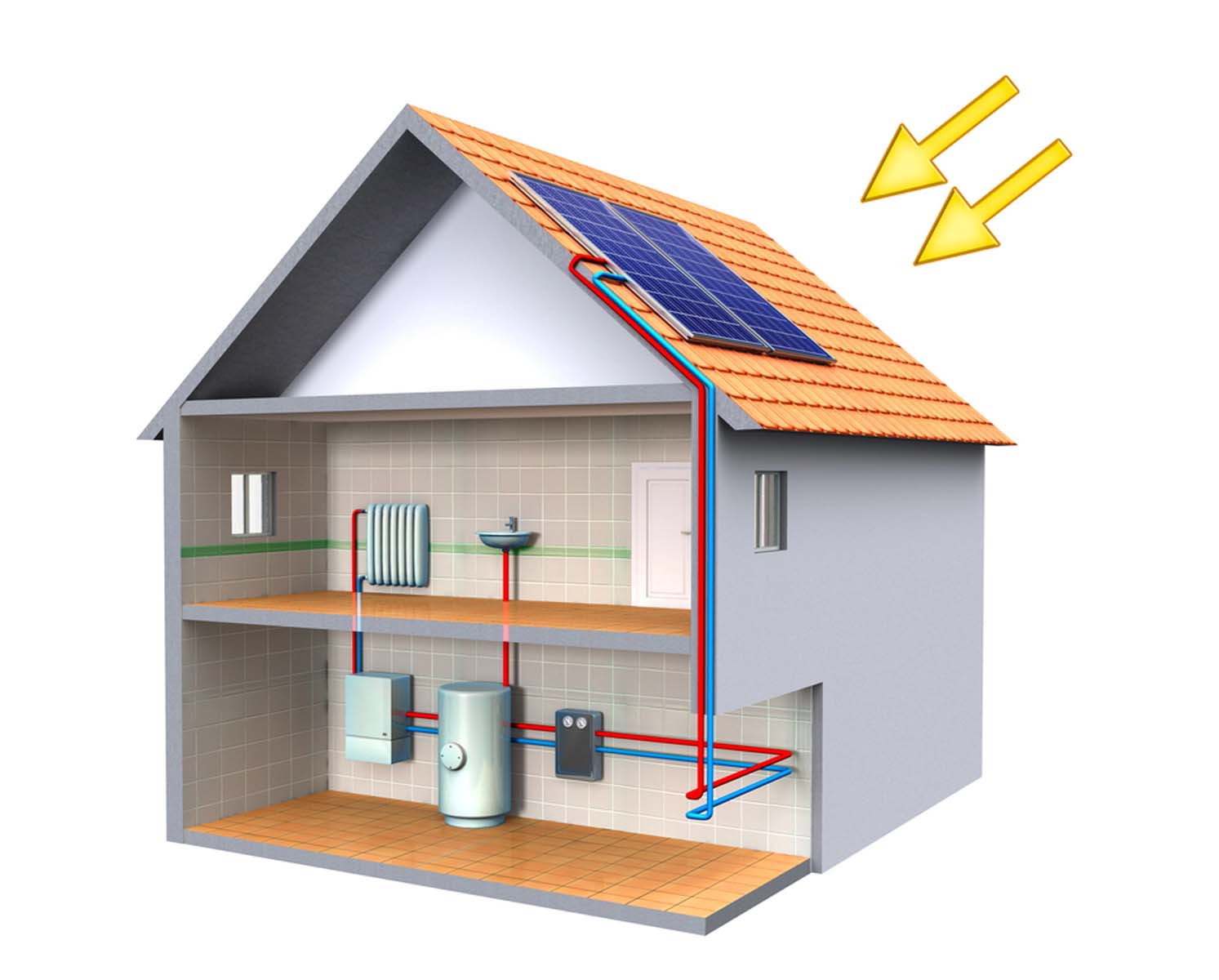
The efficiency of solar panels is crucial for maximizing energy production. Higher efficiency means more electricity is generated from the same sunlight exposure.
Monocrystalline panels typically have the highest efficiency rates, followed by polycrystalline and thin-film panels. Understanding the efficiency of each type helps in choosing the most suitable option for specific installation needs.
Durability
Durability is another essential factor to consider when selecting solar panels. Monocrystalline panels are known for their longevity and robustness, making them ideal for installations where durability is a priority.
Polycrystalline panels also offer good durability, while thin-film panels may be more susceptible to damage over time. Considering the durability of solar panels ensures a longer lifespan and better return on investment for installations.
Types of Solar Panels for Homes
Let’s explore the different types of solar panels commonly used for residential installations:
Monocrystalline Panels
Monocrystalline panels are known for their high efficiency and sleek design, making them ideal for homes with limited roof space. They are durable and perform well in low-light conditions.
Polycrystalline Panels
Polycrystalline panels are cost-effective options suitable for homeowners on a budget. Although slightly less efficient than monocrystalline panels, they are still a popular choice for residential installations.
Thin-Film Panels
Thin-film panels are lightweight and flexible, allowing for creative installation options beyond traditional roofs. While they are less efficient than crystalline panels, they can be a great alternative for certain homes.
When considering solar systems for residential use, it’s essential to weigh the benefits and drawbacks of each type. Factors such as efficiency, cost, and available space on your property play crucial roles in determining the most suitable option.
Conducting thorough research and consulting with professionals can help you make an informed decision that aligns with your specific needs.
Monocrystalline vs Polycrystalline Panels
Efficiency
Monocrystalline panels are made from a single silicon crystal, making them more efficient than polycrystalline panels. They perform better in low-light conditions due to their higher efficiency levels.
Cost
Polycrystalline panels are usually more affordable than monocrystalline panels. If you have budget constraints, polycrystalline panels might be the better choice for your solar installation.
Durability
Monocrystalline panels tend to last longer and have a longer warranty period compared to polycrystalline panels. They are more durable and less likely to degrade over time, providing a reliable long-term investment.
Appearance
While both types of panels serve the same function, monocrystalline panels have a sleek black appearance, preferred by some homeowners for their aesthetic appeal. On the other hand, polycrystalline panels have a blue hue and may not blend as seamlessly with certain roof types.
Exploring Thin-Film Solar Options
Thin-film solar panels are lightweight and flexible, making them ideal for various applications. They perform better than traditional panels at high temperatures and are suitable for rooftop installations due to their versatility.
Advantages
-
Cost-effective: Thin-film panels require less material to manufacture, reducing production costs.
-
Flexible Installation: Their lightweight design allows for easy installation on curved or uneven surfaces.
Disadvantages
-
Lower Efficiency: While cost-effective, thin-film panels have lower efficiency compared to other types.
-
Durability Concerns: These panels may degrade faster over time due to exposure to the elements.
Advanced Technology in PERC Panels
PERC panels, or Passivated Emitter and Rear Cell panels, are known for their high efficiency due to a rear surface that reflects the sunlight back through the cell. This technology boosts energy production significantly.
Improved Performance
Manufacturers have been incorporating PERC technology into their products to enhance panel performance. The unique design of these panels allows for better absorption of sunlight, leading to increased energy output.
Space Utilization
One key advantage of PERC panels is their ability to optimize space utilization. With their advanced design, these panels can generate more electricity even in limited areas, making them ideal for residential and commercial installations.
Manufacturing Process
The manufacturing process of PERC panels involves adding an additional layer to standard solar cells. This modification enhances the panel’s efficiency by reducing electron recombination and improving overall performance.
Factors Influencing Solar Panel Selection
Efficiency, cost, durability, aesthetics, and environmental impact are all important factors to consider when selecting solar panels for installation.
Higher efficiency panels can generate more electricity in limited space, making them ideal for residential rooftops. While high-efficiency panels may have a higher initial cost, they can result in long-term savings due to increased energy production.
Durability is essential for ensuring the longevity of solar panels, and panels with strong build quality and warranties are preferred as they can withstand harsh weather conditions and last for decades.
Aesthetics are becoming increasingly important, especially for residential installations. Homeowners often prefer sleek and visually appealing panels that blend seamlessly with their property’s design. It is also important to consider the environmental impact of the solar panels you choose.
Opting for eco-friendly panels with minimal carbon footprint can align with sustainability goals and reduce your overall environmental impact.
Solar Panel Efficiency and Cost Comparison
Efficiency Rates
Solar panel efficiency rates are crucial as they determine how much sunlight a panel can convert into electricity. Higher efficiency panels produce more power, making them ideal for limited roof space.
Installing high-efficiency panels might be pricier initially, but the savings numbers in the long run are substantial due to increased power output.
Cost Analysis
When considering solar prices, it’s essential to factor in both the initial cost of the panels and their long-term electricity savings. Lower-priced panels may have lower efficiency rates, affecting overall savings numbers.
Understanding the temperature coefficient is vital. This value indicates how well the panel performs in hot temperatures. Panels with better temperature compensation will maintain higher efficiency levels even on scorching days.
Making the Right Solar Panel Choice
Solar panels come in various types, each with unique characteristics and applications.
When choosing a solar panel type, it’s essential to consider factors such as the amount of available sunlight, space constraints, and budget.
Understanding the different types of solar panels is valuable for solar energy applications. From the operation of solar panels to the comparison between each type, and factors influencing selection, this comprehensive guide equips individuals with the knowledge needed to make informed decisions.
For those considering solar panel installation, this article provides guidance on efficiency and cost comparisons, making it a foundational resource.
For those looking to embrace renewable energy solutions or enhance their understanding of solar technology, taking these factors into account can lead to more sustainable and cost-effective choices.
By staying informed on the latest advancements and considerations in solar panel selection, individuals can contribute to a greener future while optimizing their energy consumption.
Contact Big Easy Solar Installer today and let us help you power your home with sunshine!
Frequently Asked Questions
How do monocrystalline and polycrystalline solar panels differ?
Monocrystalline panels are made from a single crystal structure, offering higher efficiency but at a higher cost. Polycrystalline panels consist of multiple crystals, providing slightly lower efficiency but are more cost-effective.
What are the benefits of thin-film solar panels?
Thin-film panels are lightweight, flexible, and easier to install on various surfaces. They perform better in low-light conditions compared to traditional panels and have a sleek design aesthetic.
What is PERC technology in solar panels?
PERC (Passivated Emitter Rear Cell) technology enhances cell efficiency by adding a layer that reflects light back into the cell for further absorption. This innovation improves overall panel performance and energy output.
How can one determine the most suitable solar panel type for their home?
Consider factors like space availability, budget, energy needs, and local weather conditions when selecting a solar panel type. Consulting with a reputable solar installer can help assess these aspects accurately.
Why is solar panel efficiency important when choosing an installation?
Higher efficiency means more electricity production per square foot of panel area. It impacts overall system performance, energy savings, and the return on investment over the lifespan of the solar installation.